
#1 top pick organized tour
Historic Milan Tour with Skip-the-Line Last Supper Ticket
- -> Small group walking tour of historic Milan
- -> Skip-the-line ticket to see The Last Supper by Leonardo da Vinci
- -> Local guide, expert historian
- -> Headsets provided for groups of more than 6 people
- -> Duration: 3 hours
- -> Rating: 4.5 out of 5 stars (1078 reviews)
Main Topics of What Are the Good and Bad Neighborhoods of Milan, Italy?
Milan’s best neighborhoods include Brera, Navigli, Isola, and Porta Venezia — areas that are safe, lively, and full of things to see and do. On the other hand, areas like Quarto Oggiaro, Corvetto, and Gratosoglio are considered rougher, with higher crime rates and less to offer. Keep reading to find out what makes each of these neighborhoods worth knowing about.
The Good Neighborhoods of Milan
Brera
Brera is widely considered Milan’s most elegant neighborhood. It sits just north of the city center and is home to the Pinacoteca di Brera, one of Italy’s most important art museums, as well as the Brera Academy of Fine Arts and the city’s Botanical Garden. The streets are narrow and well-kept, lined with independent boutiques, wine bars, and trattorias. Crime rates here are among the lowest in the city. The downside is cost — rent and hotels in Brera are expensive, and the neighborhood has a quieter, more upscale feel that might not suit everyone.
Best for: Art lovers, couples, first-time visitors who want a safe and beautiful base.
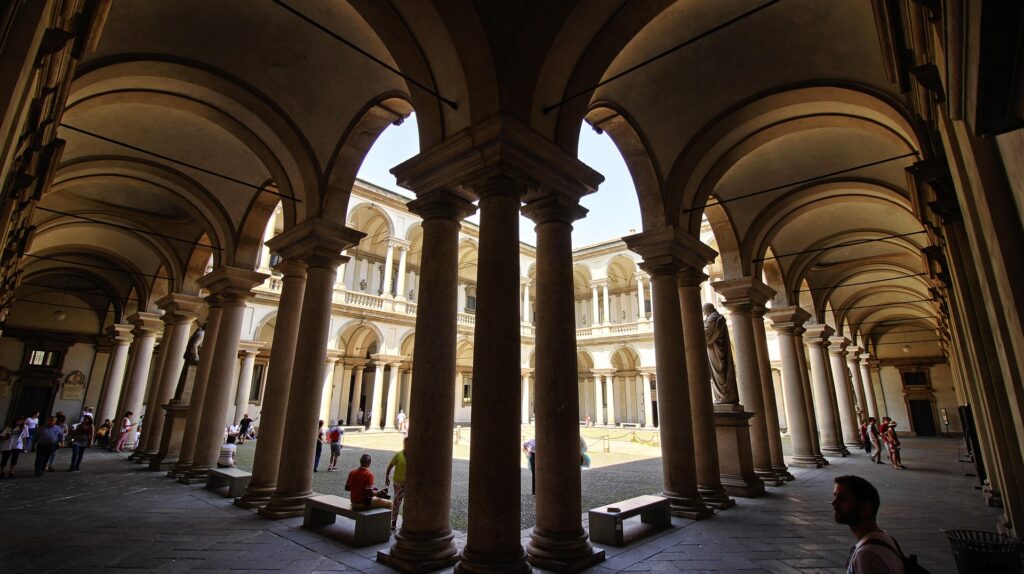
Image by Alfonso Cerezo from Pixabay
Navigli is built around two historic canals — Naviglio Grande and Naviglio Pavese — and has a completely different energy from the rest of Milan. It’s loud, social, and packed with bars, street art, and live music venues. The area is especially lively on Sunday mornings, when a large antique market runs along the canal. Navigli attracts a young, creative crowd and is one of the most popular spots in the city for aperitivo. The noise and nightlife can be a drawback for anyone looking for a quiet stay, and parking is difficult.
Best for: Young travelers, nightlife, food and drink culture.
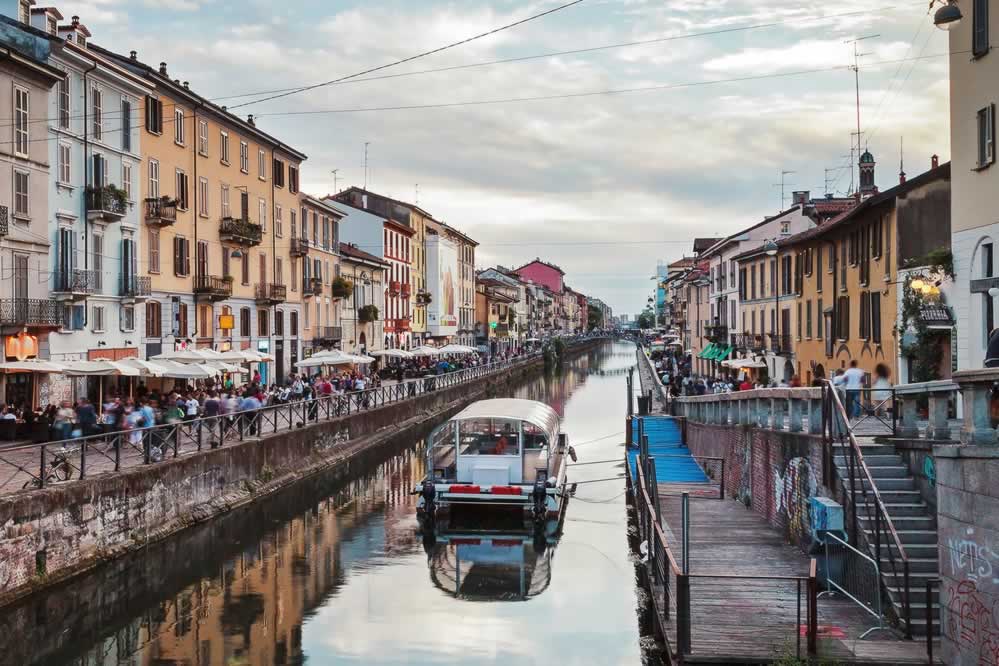
Daytime scene along the Naviglio Grande canal in Milan, Italy.
Isola
Isola means “island” in Italian — the neighborhood earned the name because it was once cut off from the rest of the city by railway tracks. Today, it’s one of Milan’s most talked-about areas. In the last decade, Isola has shifted from a working-class district to a trendy hub full of independent cafés, concept stores, and contemporary art spaces. The Bosco Verticale — a pair of residential skyscrapers covered in trees — sits on its southern edge and has become one of the most photographed buildings in Italy. Isola is well connected by metro and still feels more local and less touristy than Brera or the city center.
Best for: Food lovers, digital nomads, travelers who want a local feel without sacrificing convenience.
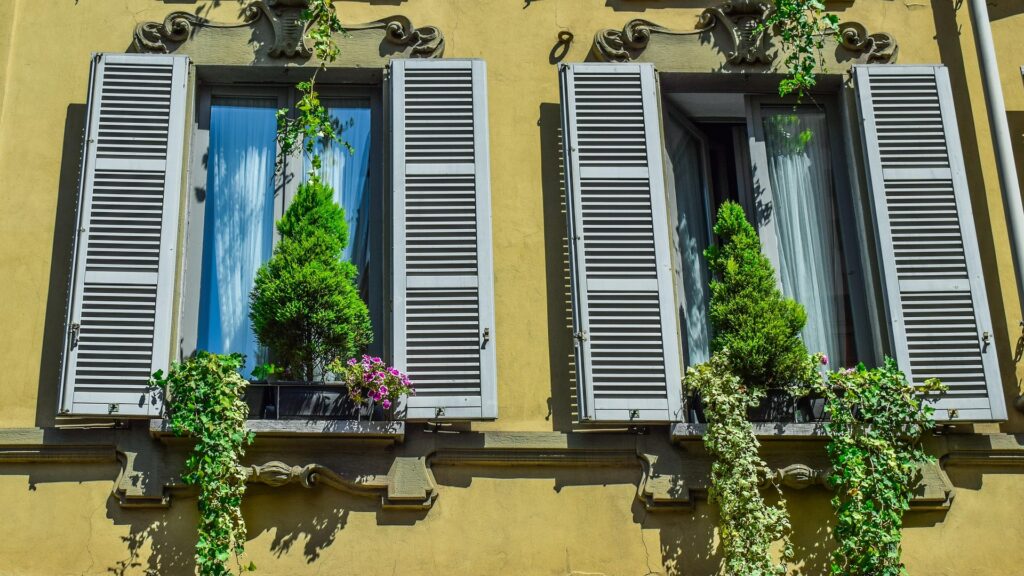
Image by Dimitris Vetsikas from Pixabay
Porta Venezia
Porta Venezia is one of Milan’s most diverse and walkable neighborhoods. It borders the city’s large public parks — Giardini Pubblici Indro Montanelli and Parco Sempione — and has a strong café culture and a well-established LGBTQ+ community. The architecture mixes 19th-century residential buildings with art nouveau details. It’s less expensive than Brera and less hectic than Navigli, making it a popular choice for people who live in Milan long-term. Public transport connections are excellent, with direct metro access.
Best for: Long-term visitors, families, anyone who values green space and a relaxed pace.
Centro Storico (Historic Center)
The historic center is home to Milan’s most iconic landmarks: the Duomo cathedral, the Galleria Vittorio Emanuele II shopping arcade, and the Teatro alla Scala opera house. It’s the obvious choice for first-time visitors who want to be within walking distance of everything. The area is safe and well-patrolled, but it’s also the most crowded and expensive part of the city. Outside of tourist hours, much of the center empties out — it lacks the lived-in feel of neighborhoods like Isola or Porta Venezia.
Best for: First-time visitors, short stays, travelers who prioritize proximity to landmarks.
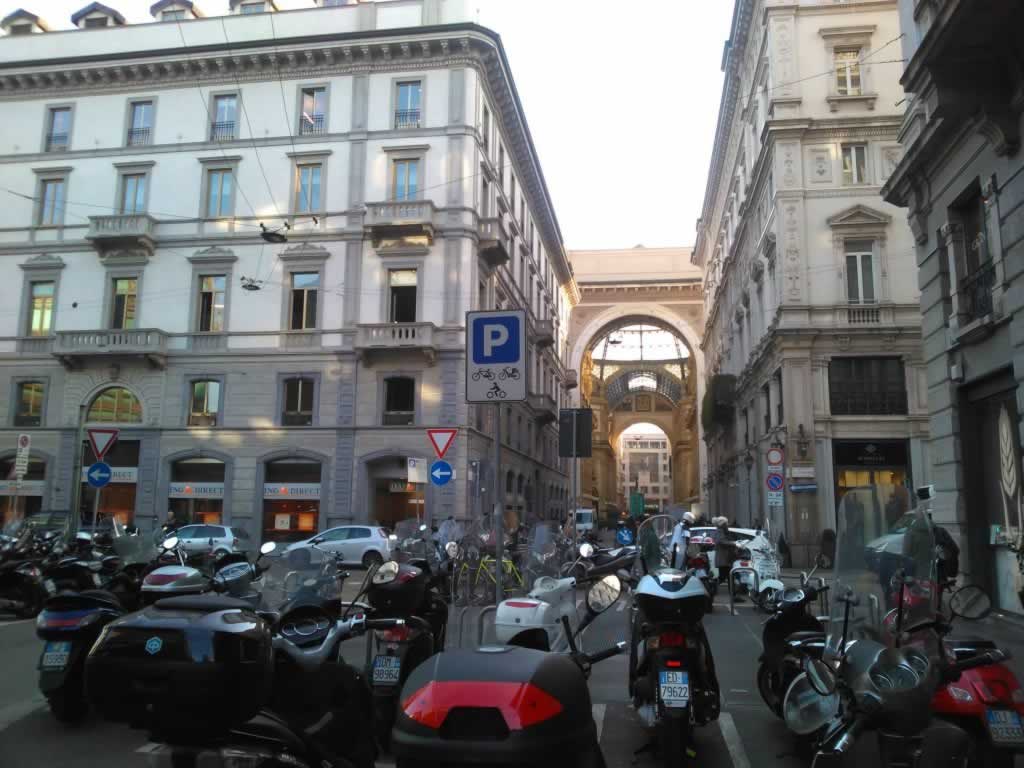
Galleria Vittorio Emanuele II is the oldest active shopping gallery and a major landmark of Milan in Italy.
The Bad Neighborhoods of Milan
Quarto Oggiaro
Quarto Oggiaro is consistently ranked among the most problematic neighborhoods in Milan. Located in the northwest of the city, far from the center, it was built up quickly after World War II to house workers and has struggled with neglect ever since. The area has above-average rates of theft and drug-related crime, poor street lighting in parts, and limited public transport. It offers little for visitors in terms of restaurants, culture, or green space. Residents have long called for more investment in the area, and some improvements have been made over the years, but Quarto Oggiaro remains one of the parts of Milan most locals would advise against.
Corvetto
Corvetto sits in the southeast of the city and has a reputation as one of Milan’s tougher areas. It’s a densely populated neighborhood with a high proportion of social housing and limited commercial activity. Crime rates, particularly for petty theft and muggings, are higher here than the city average. That said, Corvetto is changing slowly — it has better metro access than Quarto Oggiaro and is attracting some new businesses. It’s not dangerous in an extreme sense, but it’s not a comfortable area for visitors unfamiliar with the city.
Gratosoglio
Gratosoglio is a peripheral neighborhood on the southern edge of Milan, made up almost entirely of large social housing blocks built in the 1960s and 70s. It’s far from the city center, poorly connected to the metro network, and offers almost nothing in the way of restaurants, shops, or cultural attractions. It is not necessarily dangerous, but it is isolated and grim by most accounts. Visitors who end up here by accident — usually through a poorly chosen cheap accommodation — typically spend a lot of time and money commuting back to the parts of the city that are actually worth visiting.
How to Choose the Right Neighborhood
The neighborhood you pick in Milan will have a bigger impact on your experience than almost any other decision. Here are the key factors to weigh:
- Safety: Brera, Centro Storico, Porta Venezia, and Isola are all safe. Quarto Oggiaro and Corvetto require more caution.
- Cost: The center and Brera are the most expensive. Isola and Porta Venezia offer better value without sacrificing much.
- Transport: All good neighborhoods listed here have reliable metro connections. The problematic ones are often poorly connected — which is part of what makes them difficult to live in or visit.
- Atmosphere: Navigli and Isola are lively and young. Brera is quieter and more refined. Porta Venezia sits somewhere in between.
For most visitors, Isola or Porta Venezia offer the best combination of safety, value, local character, and convenience. For first-time visitors who want to see as much as possible quickly, the Centro Storico is the most practical choice, despite the higher prices.